Science & Innovation
First-in-class OXPHOS inhibitors
OncoShift develops first-in-class OXPHOS inhibitors that target the metabolic adaptation of aggressive tumors: their dependence on mitochondrial respiration.
- First-in-class
- No neurotoxicity
- Grand Prix i-Lab 2026
Cancer hallmarks
Hallmarks of cancer: understanding tumor relapse
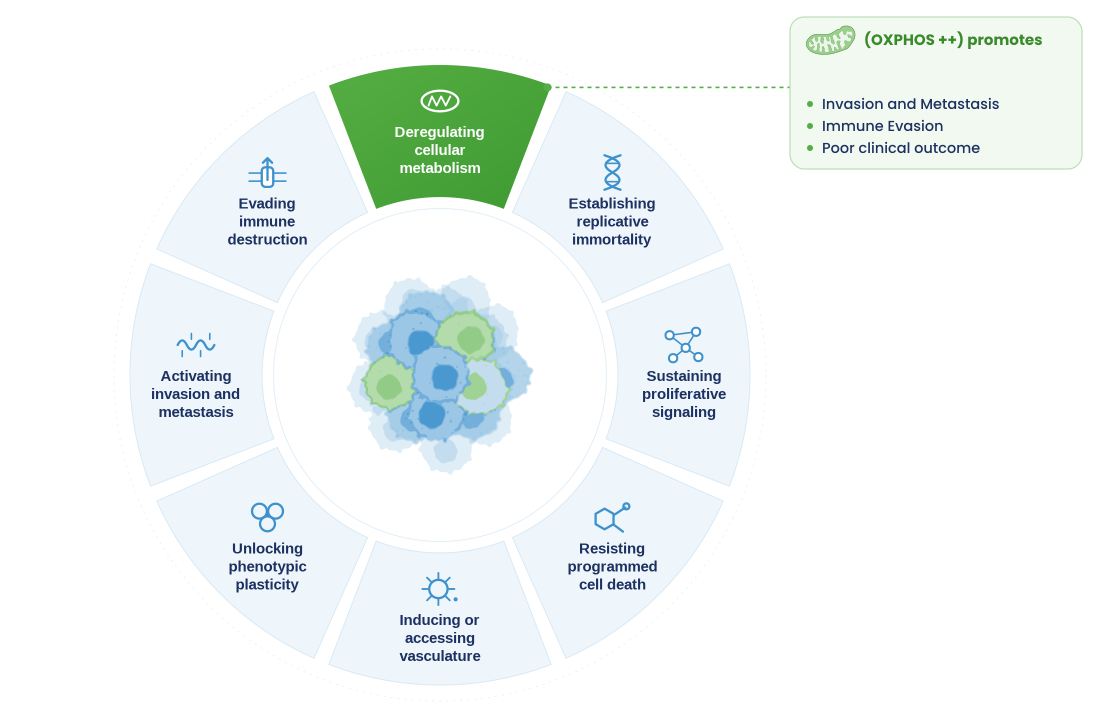
Tumor relapse involves multiple interconnected biological mechanisms. Among these, metabolic reprogramming plays a key role in cancer cell survival and persistence.
By targeting mitochondrial OXPHOS, OncoShift aims to exploit a critical metabolic vulnerability and impact multiple cancer hallmarks associated with tumor progression and relapse.
Cancer hallmarks potentially impacted by OXPHOS inhibitors
The challenge
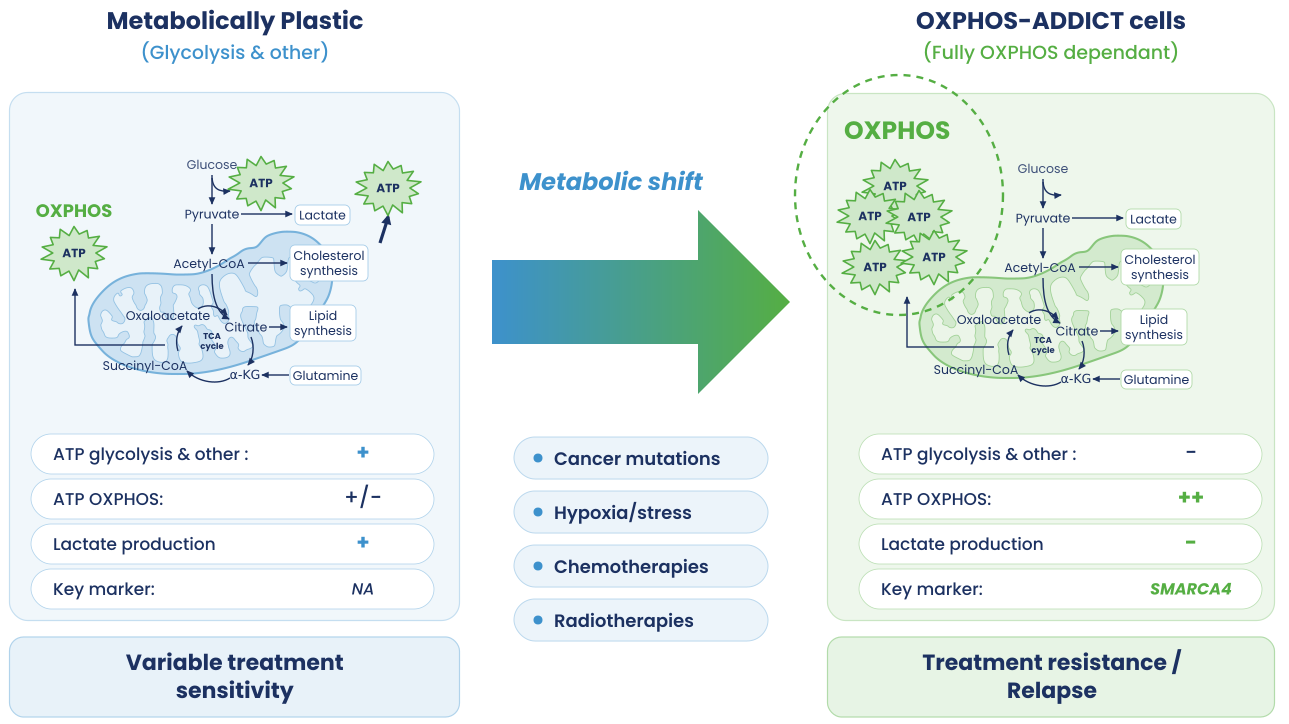
The OXPHOS shift: a critical obstacle in cancer therapy
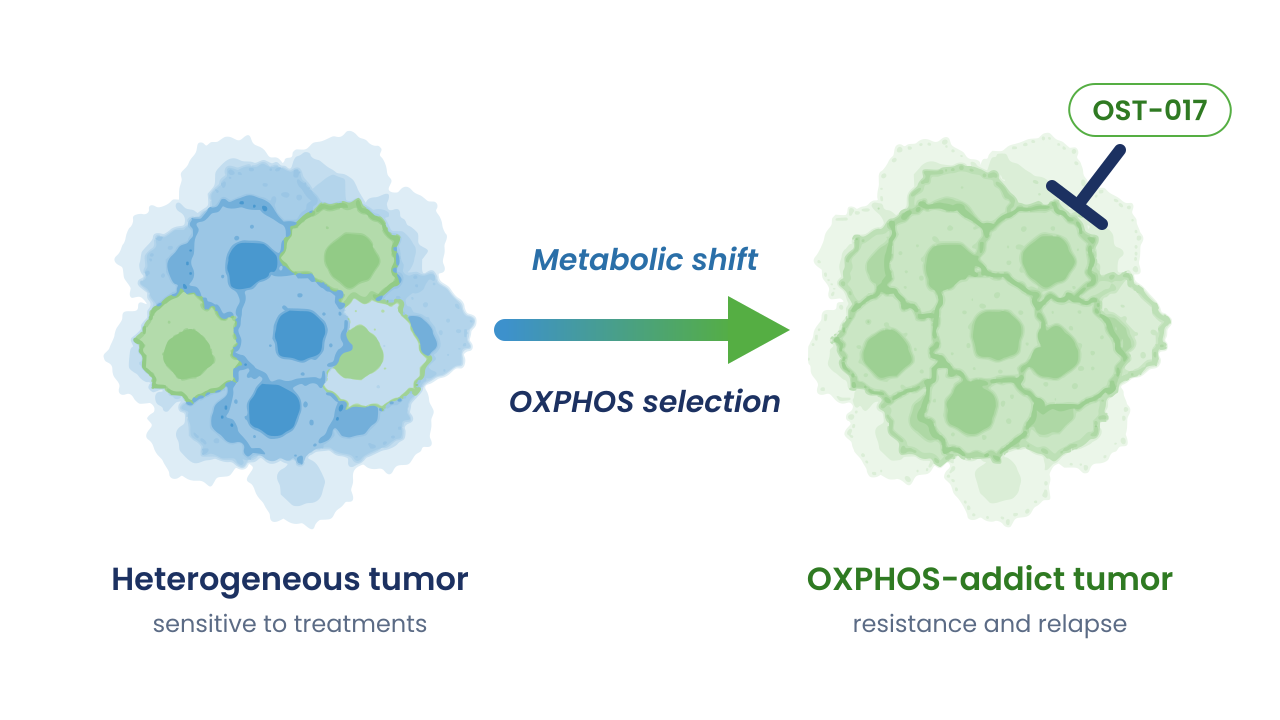
OXPHOS dependency, whether intrinsic or acquired, can support cancer cell survival, metastatic progression, and treatment resistance in aggressive cancers.
In some aggressive tumors, cancer cells become highly dependent on mitochondrial respiration, with limited capacity to compensate when OXPHOS is inhibited. This metabolic dependency provides a strong rationale for targeted therapeutic intervention and precision medicine.
Metabolic adaptation via OXPHOS: a key tumor escape mechanism.
First adult clinical trial in OXPHOS-dependent cancers planned for early 2030.
Need for new approaches
A need for new approaches and a new class of OXPHOS inhibitors, with a biomarker-driven precision medicine approach
Our anti-OXPHOS platform is designed to exploit a shared intrinsic or acquired metabolic vulnerability observed across multiple cancers. By targeting mitochondrial energy production, we aim to develop a biomarker-driven precision medicine approach for patients with highly aggressive tumors and limited treatment options.
Intrinsic and acquired OXPHOS dependency
Three biological mechanisms creating potential therapeutic vulnerabilities
Intrinsic OXPHOS dependency
Pre-existing vulnerability
Cancer stem cells
Biological rationale- Primary Pancreas Cancer (PDAC)
- Primary Acute Myeloid Leukemia (AML)
Genetic alterations
Genetic rationale- SMARCA4-deficient cancers
Acquired OXPHOS dependency
Emerging or selected after treatment
Drug-tolerant persister cells
Treatment-associated vulnerability- Relapsed AML after Cytarabine or Venetoclax+Azacitidine
- Relapsed PDAC following Kras inhibition or after chemotherapy treatment
In AML and pancreatic cancers, biomarkers such as MitoScore and OXPHOS-dependency signatures could identify patients most likely to benefit from targeted mitochondrial OXPHOS inhibition, enabling precision medicine approaches.
In SMARCA4-deficient cancers, SMARCA4 loss represents a promising genetic biomarker of OXPHOS dependency. Combined with metabolic signatures, it could help identify patients likely to benefit from OXPHOS-targeted therapies.
SWI/SNF alterations and OXPHOS
Targeting OXPHOS represents a promising pan-cancer therapeutic strategy to exploit metabolic vulnerabilities in SMARCA4-deficient tumors (Lissanu Deribe et al., 2018; Zhu et al., 2023; Fang et al., 2025).
Intrinsic OXPHOS dependency in SMARCA4-deficient cancers
Targeting mitochondrial vulnerabilities in selected SMARCA4-deficient cancers with OST-017.
| Cancer type | SMARCA4 alterations or deficiency | Preclinical OXPHOS evidence | |
|---|---|---|---|
| Priority indications(strong rationale) | Lung cancer(NSCLC) | ~5–10%genomic alterations | Strongpreclinical evidence |
| Ovarian cancer(SCCOHT) | >95%SMARCA4 deficiency | Strongpreclinical evidence | |
| Kidney cancer(ccRCC) | ~4%BRG1 protein loss | Strongpreclinical evidence | |
| Expansion opportunities(to explore) | Thoracic tumors(SMARCA4-UT) | Defining molecular feature | Limiteddirect evidence |
| Endometrial cancer(dedifferentiated) | ~15–32%BRG1 loss | Exploratory | |
| Other SMARCA4-deficient cancers(Colon cancers, Gastric cancers) | Variable | Exploratory |
Biomarker-driven basket trial
Patient selection based on SMARCA4 status and metabolic profile.
SMARCA4 alteration frequencies vary according to tumor subtype and detection method. Evidence refers to published preclinical studies of OXPHOS inhibition, not to clinical efficacy of OST-017.
Our approach
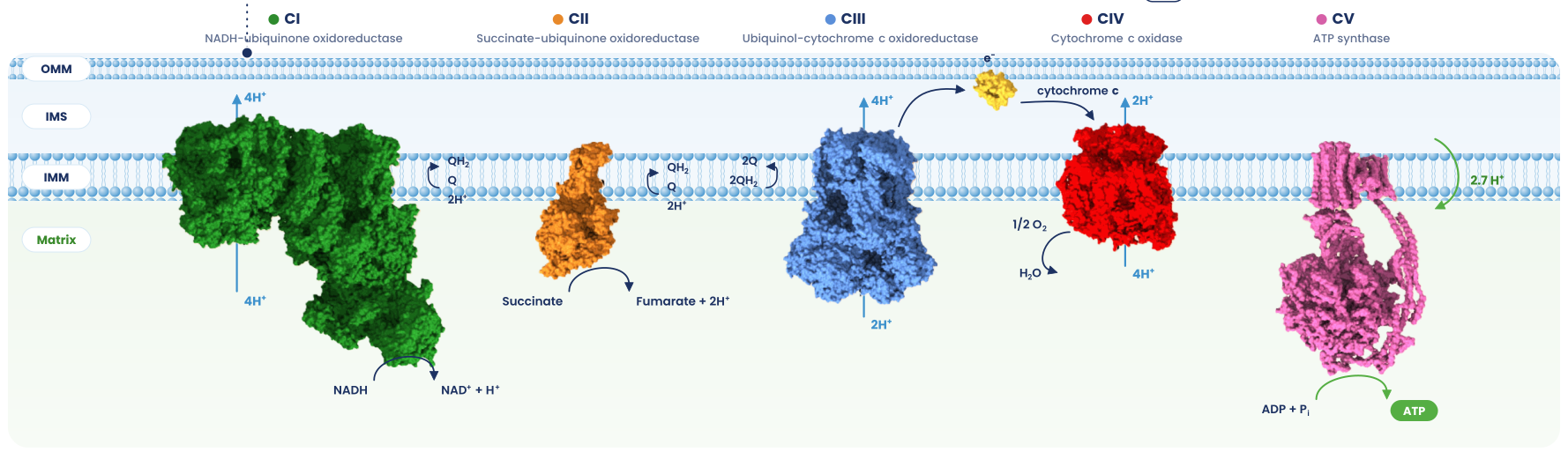
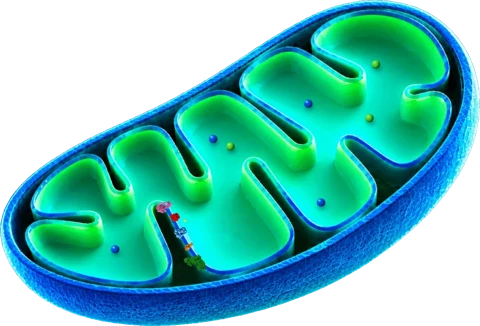
First-in-class mitochondrial OXPHOS inhibitors targeting Complex I of the respiratory chain
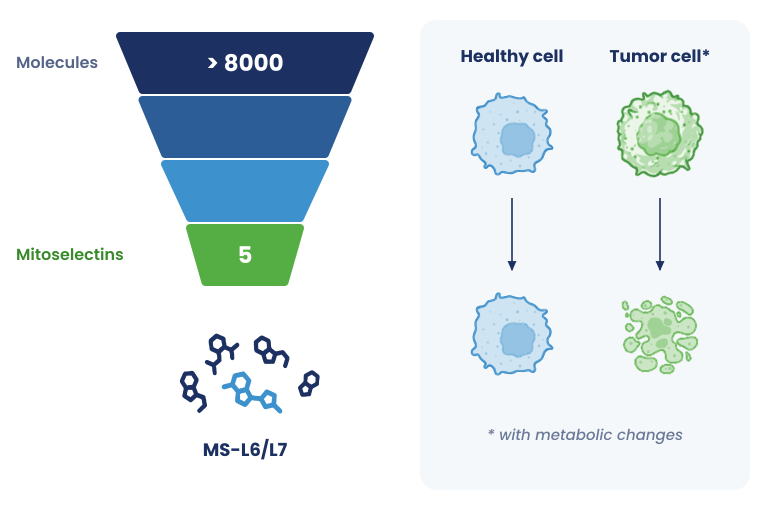
Original strategy: screening using synthetic lethality to predict antitumor selectivity during treatment.
-
Two patent familiesOur innovations are protected
-
Full and exclusive rightsto exploit the technology
-
Freedom to operate checkedIPAZ FTO, January 2026
Our products
Chemical screen
Step 1
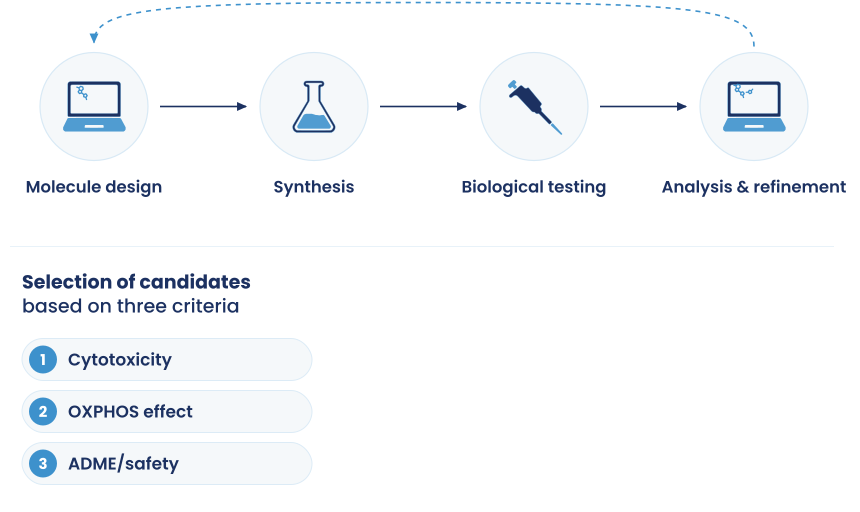
Chemical library with over 8,000 small molecules, synthetic lethality selection process, identification of first generation of molecules (hits).
Optimization

Step 2
Optimization toward second generation molecules (based on OXPHOS inhibitory capacity and safety property).
Tackling OXPHOS
Step 3
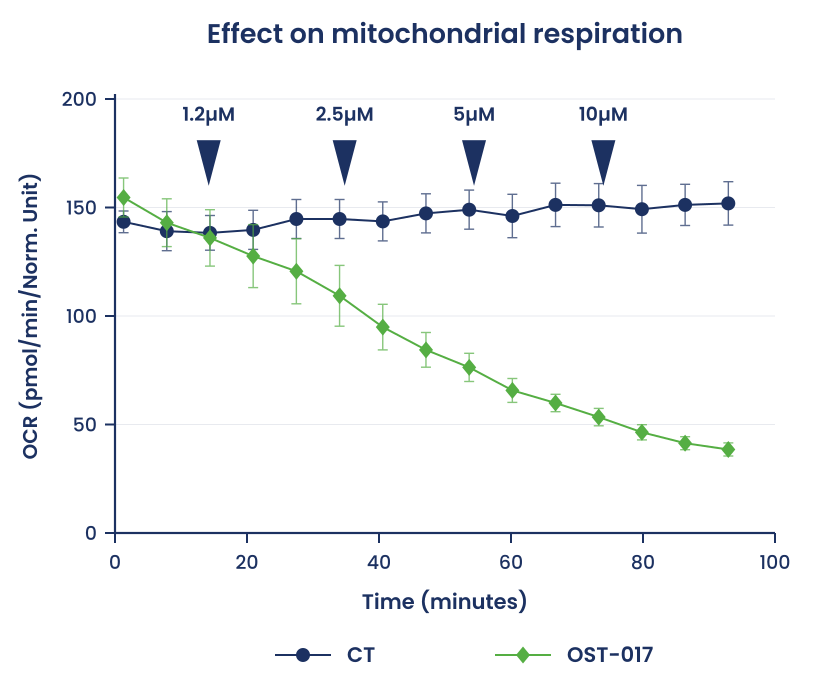
Complex I targeting and dose-dependent inactivation of OCR.
Our solution
OST-017: A next-generation OXPHOS inhibitor
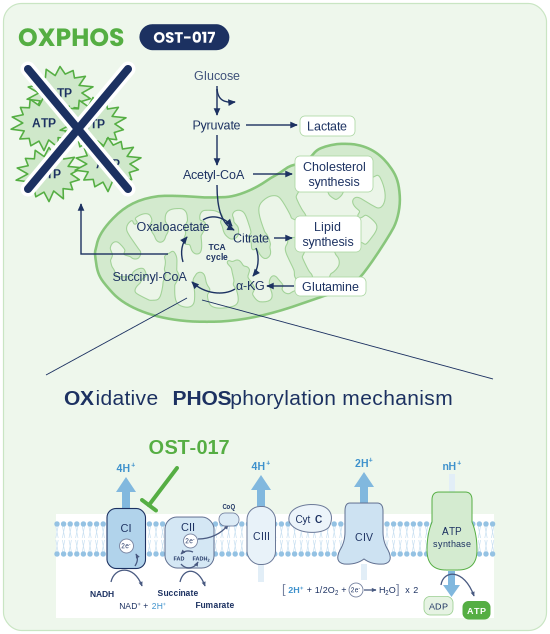
OST-017 inhibits complex I of the respiratory chain. It blocks oxygen consumption and induces an energy crisis that leads to cancer cell death.
- Novel chemical structure
- No neurotoxicity
How does it work?
- OXPHOS inhibitionComplex I is blocked
- No compensationOXPHOS-addict cells cannot switch back
- Energy crisis & metabolic disruptionATP production collapses
- Cancer cell deathSelective of OXPHOS-dependent cells
Disruptive triple action
- Anti-cancer
- Anti-metastatic
- CD8+ T-cell infiltration
Preclinical proof of concept
Solid in vivo results
In vivo studies provide a solid proof of concept for OncoShift’s patented molecules.
-
Durable antitumor response
In vivo models show a sustained antitumor effect of OncoShift’s patented molecules.
-
Increased immune cell recruitment
Treated tumors show greater recruitment of immune cells, consistent with the stimulation of the T-cell response.
-
Inhibition of metastatic spread
Metastatic spread is reduced, in line with the anti-metastatic action of OXPHOS inhibition.
Differentiation
Progressive, adjustable, with no neurotoxicity
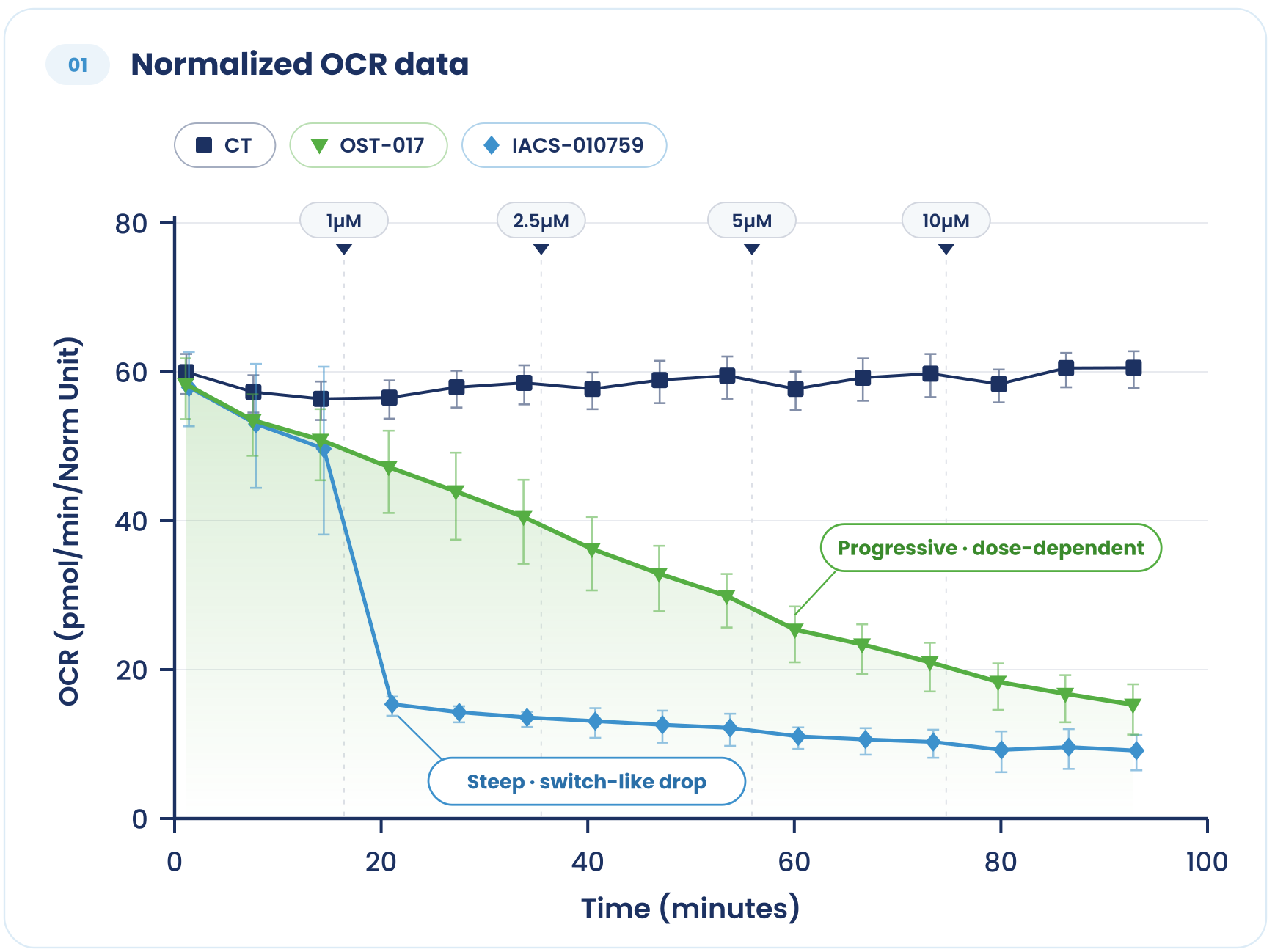
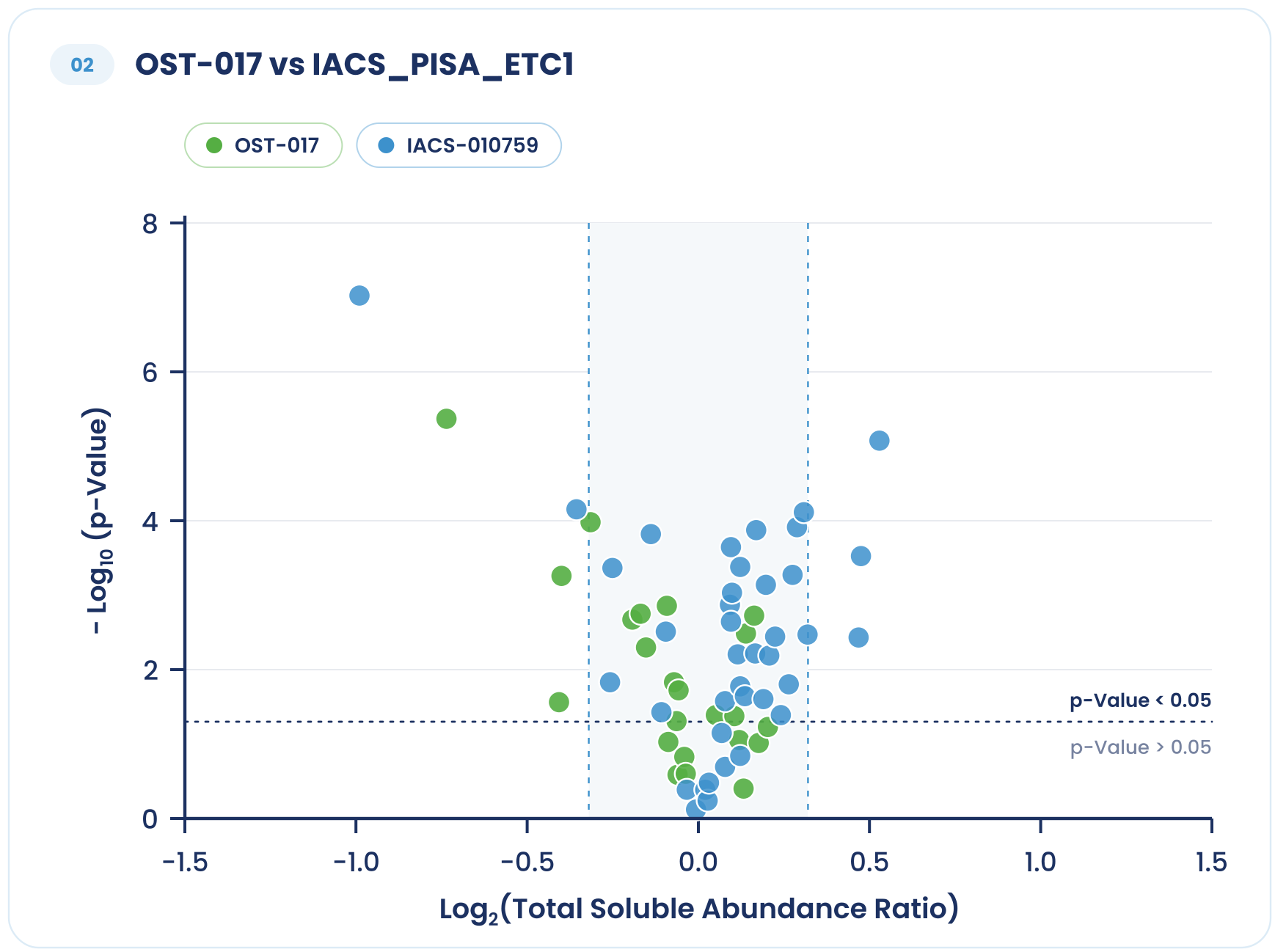
OST-017 shows a progressive, dose-dependent inhibition of mitochondrial respiration, unlike the steep, switch-like profile of IACS-010759. Proteomic analysis reveals differences between OST-017 and IACS-010759 in their effects on mitochondrial Complex I proteins.
No neurotoxicity
Unlike IACS-010759, which showed neurotoxicity in mice*, OST-017 showed no neurological effects in the Irwin CNS safety pharmacology assay.
Adjustable inhibition
In contrast to the profile observed with IACS-010759*, OST-017 demonstrated dose-dependent OCR inhibition, allowing fine tuning of OXPHOS inhibition.
Selective
In contrast to the profile observed with IACS-010759*, OST-017 demonstrated specific thermo-shift effects on Complex I proteins.
* Yap et al., Nat Med. 2023.
OST-017: A differentiated Complex I OXPHOS inhibitor
A direct Complex I inhibitor with antitumor, anti-metastatic and immune-stimulating activities and a favorable preclinical safety profile.
Competitive differentiation
OST-017 has demonstrated a distinctive preclinical profile, combining potent OXPHOS inhibition with antitumor, anti-invasive, immune-related effects and absence of neurotoxicity. Comparative studies with reference OXPHOS inhibitors, including IM156 and IACS-010759, further highlight its distinctive pharmacological properties.
OST-017 vs. reference Complex I inhibitors
| Key features | IACS-010759 | IM156 | OST-017 |
|---|---|---|---|
| OXPHOS inhibition | |||
| Anti-invasive activity | – | (stronger than IM156) | |
| Antitumor activity | |||
| Immune effect | – | – | (↑ CD8+ infiltration) |
| CNS safety | –(neurotoxicity reported in mice and humans) |
OST-017 preclinical safety & PK profile
- No neurotoxicity
- No genotoxicity
- No hepatotoxicity
- No CYP inhibition
- Linear pharmacokinetics
Our platform
Ready-to-use drug discovery platform
Our drug candidates are developed using a ready-to-use therapeutic platform, designed to generate first-in-class OXPHOS inhibitors.
-
1
Chemical library with ready-to-screen small molecules.
-
2
Tumor and healthy cell lines panel, including OXPHOS-dependent models.
-
3
Advanced experimental methods to characterize the OXPHOS inhibition and the antitumor effects of our compounds.
Partner with us to overcome cancer relapse
Investors, pharma partners and scientific collaborators: let’s talk.